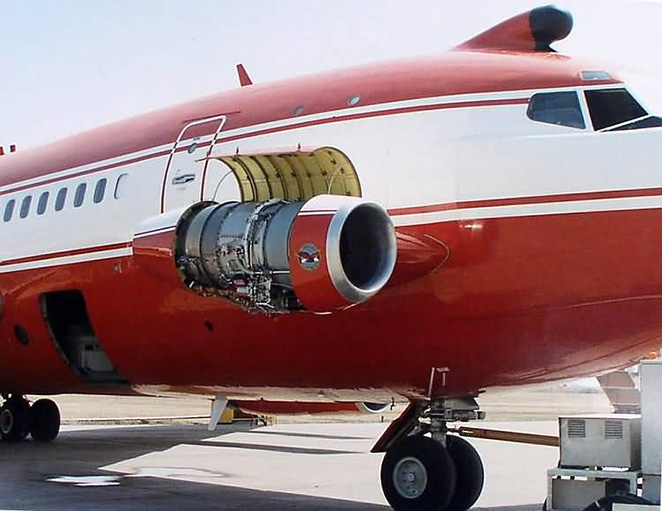
[Cutaway] EA-18G Growler
febbraio 9, 2010 at 10:31 am | In Uncategorized | Leave a CommentTags: boeing ea-18g, cutaway, cutaways, ea-18g, ea-18g growler, spaccati, [Cutaway] EA-18G Growler
Un altro gioiello di Mr. Picarella.
Born to Be Wild
febbraio 7, 2010 at 11:59 pm | In Uncategorized | 6 CommentsTags: 1987, born to be wild, cbs, gunships, kiowa, OH-58, telefilm, tour of duty, tv series, uh-1 huey, vietnam war
Huey e Kiowa in concerto.
In Vietnam le gunships non erano sempre disponibili, cosi’ gli equipaggi di UH-1 slick qualche volta dovevano arrangiarsi con quello che offriva la dotazione di bordo. Fantasia, granate e rock and roll.
Bello. Peccato solo per il doppiaggio francese.
(clip tratta da Tour of Duty, CBS, 1987)
Il cesso del Su-34
febbraio 7, 2010 at 4:14 pm | In Uncategorized | Leave a CommentTags: foto, photos, Su-34, su-34 toilet, sukhoi su-34

Guardate che gioiello. Un miracolo della tecnologia. Ma quella specie d’imbuto giallo a cosa serve?
Ci sarebbe anche l’angolino cottura, ma non sono ancora riuscito a trovare una foto.
![G39_Su-34face[1]](http://sobchak.files.wordpress.com/2010/02/g39_su-34face1.jpg?w=550&h=309)
Fermate Giovanni Sartori
febbraio 7, 2010 at 1:27 pm | In Uncategorized | 11 CommentsTags: a-stan, afghanistan, cazzate, fapping, fortress afghanistan, giovanni sartori, ha parlato con un afghano del cazzo per tre ore filate, minchiate, ogni maledetta sborrata, petraeus, seghe, seghe mentali, strateghi della domenica

Leggete un po’ cosa minchia scrive in merito al pantano dell’Afghanistan:
>> LINK <<
… da cui estrapolo la quote della settimana:
“E qual è l’ unica ricchezza di questi poveracci? E’ l’ oppio papaverino. Un esercito occidentale occupante non lo può consentire; ma per una fortificazione militare (era la mia proposta) che sorveglia il territorio dall’ alto con i droni, questo non sarebbe un problema da affrontare.”
Si salvi chi puo’.
L’ultima grande barriera difensiva costruita dagli americani e’ stata la famigerata Linea McNamara, talmente costosa e inefficace che, a seguito dello smantellamento, gli USA sentirono la necessita’ di rivedere il ruolo degli scienziati consulenti in materia di difesa (vedere l’articolo apparso sul volume 37 della rivista Minerva: “The McNamara Line and the Turning Point for Civilian Scientist-Advisers in American Defence Policy 1966-1968“.
Prove generali di cavalleria aerea
febbraio 7, 2010 at 2:25 am | In Uncategorized | Leave a CommentTags: 1996, 7292nd Aerial Combat Reconnaissance Company, air cavalry, alabama, colonel vanderpool, fort rucker, ft. rucker, Jay D. Vanderpool, mother rucker, Prove generali di cavalleria aerea, us army, us army aviation
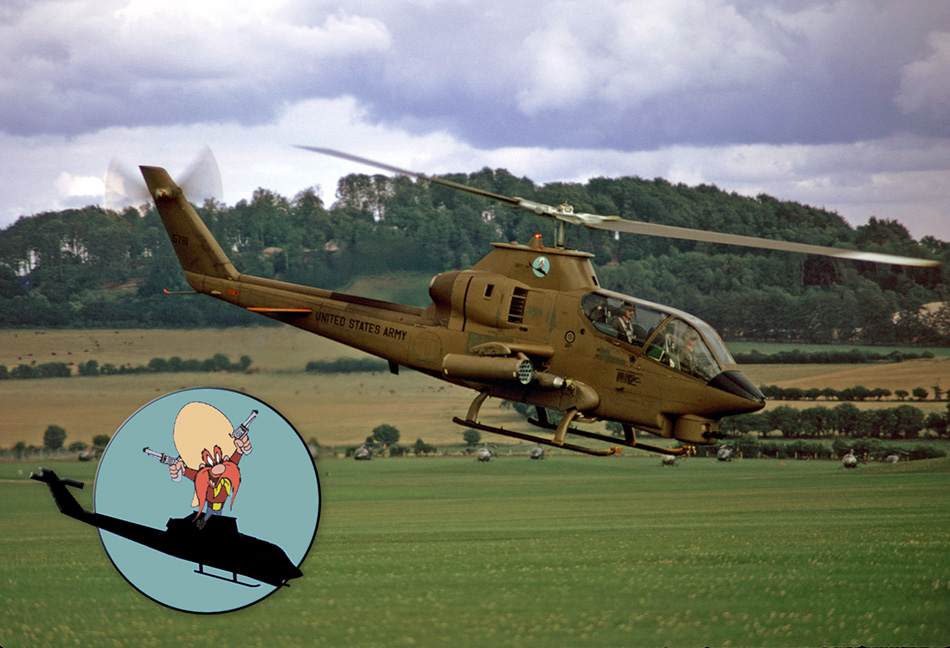
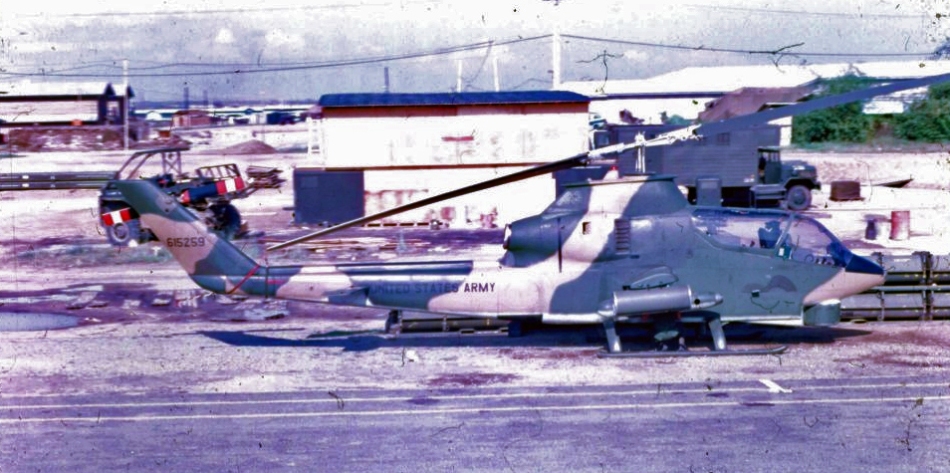
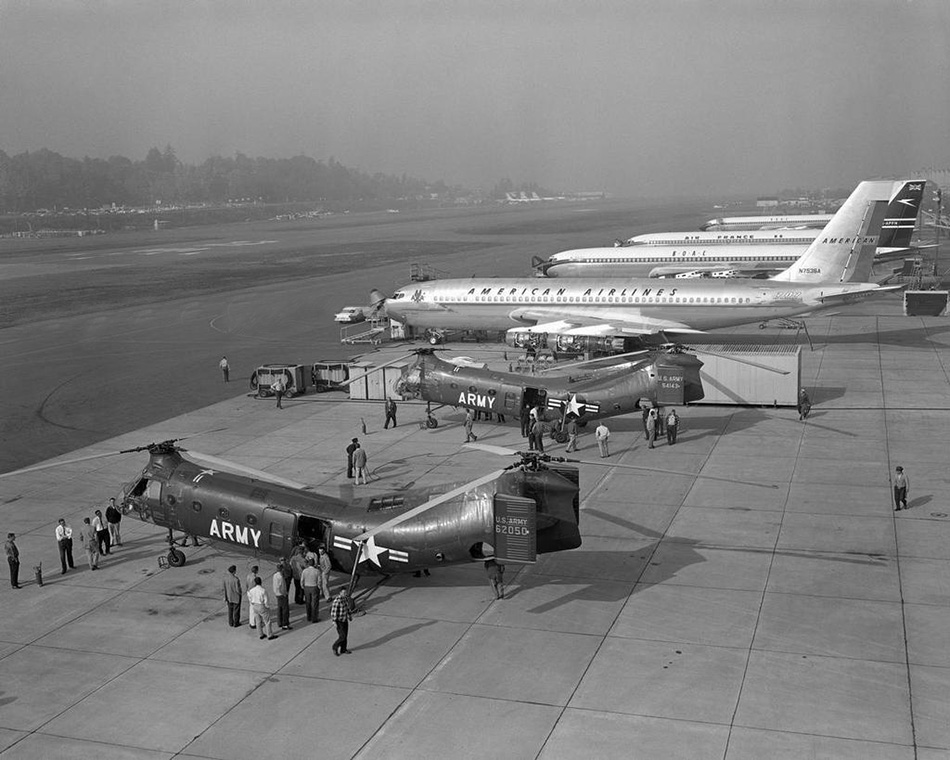
La foto mostra la 7292nd Aerial Combat Reconnaissance Company (ACR) ripresa durante le manovre tenute presso la base di Fort Rucker (Alabama) nel settembre del 1960. Questa unita’ era l’erede del plotone sperimentale elicotteri armati Sky Cavalry (abbreviato Sky Cav), formato dal Colonnello Jay D. Vanderpool a meta’ degli anni cinquanta. (photo: Ralph Morse)
In attività l’ospedale del Cavour
febbraio 6, 2010 at 7:04 pm | In Uncategorized | 2 CommentsTags: haiti, haiti earthquake, haiti esercito italiano, haiti marina militare, In attività l'ospedale del Cavour, terremoto haiti

Da Marina.Difesa.it:
La portaerei Cavour ha sbarcato a Puerto Caucedo (Santo Domingo) i veicoli e automezzi – cingolati e su ruote – destinati ai soccorsi alla popolazione di Haiti. La Task Force composta dalla Brigata Julia, Carabinieri, militari dell’Aeronautica, personale della Croce Rossa Italiana e Fucilieri di Marina del Reggimento San Marco ha raggiunto le zone di Haiti maggiormente colpite via terra trasportando una parte dei viveri destinati alla distribuzione ai bisognosi.
Completata l’operazione di sbarco il Comandante, Capitano di Vascello Gianluigi Reversi, ha posizionato Nave Cavour nelle acque antistanti la città di Port Au Prince, dove le capacità sanitarie offerte dalla zona ospedaliera di bordo sono richieste: 2 ambulatori, sala rianimazione, 2 sale operatorie, 8 posti letto per terapia intensiva, sala radiologica-TAC, sala trattamento ustionati, laboratorio di analisi, laboratorio odontoiatrico e camera iperbarica trasportabile per il trattamento delle sindromi da schiacciamento.


Per altre immagini visitate:
http://www.marina.difesa.it/diario/2010/0205_haiti_04/index.asp
(foto: Marina Militare Italiana)
[Gallery] Emergenza Haiti: il dispositivo militare – parte 17
febbraio 6, 2010 at 6:52 pm | In Uncategorized | 2 CommentsTags: haiti, haiti earthquake, haiti earthquake relief, [Gallery] Emergenza Haiti: il dispositivo militare – parte 17

A member of Japan’s Self-Defense Forces puts his hat on a girl before leaving for Haiti at Haneda international airport in Tokyo, Japan, Saturday, Feb. 6, 2010. About 160 members of the forces left for Haiti Saturday in their U.N. peacekeeping operations in the Caribbean nation devastated by the Jan. 12 quake. (AP Photo/Kyodo News)

UN peacekeepers of Nigeria, patrol the streets of downtown Port-au-Prince, Saturday, Feb. 6, 2010. A 7.0-magnitude earthquake hit Haiti on Jan. 12, killing and injuring thousands, but also leaving more than a half million people living in outdoor makeshift camps. (AP Photo/Rodrigo Abd)

PORT-AU-PRINCE, HAITI – FEBRUARY 05: A woman looks on as U.N. Brazilian soldiers keep watch during a food distribution February 5, 2010 in Port-au-Prince, Haiti. The death toll from the earthquake has reached 212,000 with 300,000 injured and over one million homeless. (Photo by Mario Tama/Getty Images)

PORT-AU-PRINCE, HAITI – FEBRUARY 05: People look on as a U.N. Brazilian soldier keeps watch during a food distribution February 5, 2010 in Port-au-Prince, Haiti. The death toll from the earthquake has reached 212,000 with 300,000 injured and over one million homeless. (Photo by Mario Tama/Getty Images)

In this photo released by the MINUSTAH, UN special envoy for Haiti and former President Bill Clinton shakes hands with US soldiers as he visits Port-au-Prince, Friday, Jan. 5, 2010. Clinton expanded his U.N. role as head of relief and reconstruction efforts. (AP Photo/MINUSTAH, Sophia Paris)

PORT-AU-PRINCE, HAITI – FEBRUARY 4: In this handout image provided by the United Nations Stabilization Mission in Haiti (MINUSTAH), the United Nations’ (MINUSTAH) Peruvian Peacekeepers and the US Army provide security for a World Food Programme food distribution coordinated by GOAL, the international humanitarian aide organization, in Place St. Pierre in Petionville on February 4, 2010 in Port-au-Prince, Haiti. Each woman is given a card and then is helped with a 20 kilogram bag of rice by one of the men from the GOAL team. Place St. Pierre has become a makeshift camp for people who lost their homes in the earthquake that devastated Haiti on January 12th. (Photo by Sophia Paris/MINUSTAH via Getty Images)

PORT-AU-PRINCE, HAITI – FEBRUARY 4: In this handout image provided by the United Nations Stabilization Mission in Haiti (MINUSTAH), the United Nations’ (MINUSTAH) Peruvian Peacekeepers and the US Army provide security for a World Food Programme food distribution coordinated by GOAL, the international humanitarian aide organization, in Place St. Pierre in Petionville on February 4, 2010 in Port-au-Prince, Haiti. (Photo by Sophia Paris/MINUSTAH via Getty Images)

A U.S. soldier helps a woman carry a bag of rice during a distribution of food in downtown Port-au-Prince February 3, 2010. Aid groups and troops from around the world have struggled to distribute food, water and medical care to an estimated 3 million Haitians injured or left homeless in the 7.0-magnitude earthquake that wrecked much of Haiti’s capital on Jan. 12, killing as many as 200,000 people. REUTERS/Kena Betancur

A U.S. soldier helps a woman carry a bag of rice during a distribution of food in Port-au-Prince February 3, 2010. Aid groups and troops from around the world have struggled to distribute food, water and medical care to an estimated 3 million Haitians injured or left homeless in the 7.0-magnitude earthquake that wrecked much of Haiti’s capital on Jan. 12, killing as many as 200,000 people. REUTERS/Eliana Aponte

A US soldier gives a bag of rice to a resident during food distribution in downtown Port-au-Prince February 3, 2010. Aid groups and troops from around the world have struggled to distribute food, water and medical care to an estimated 3 million Haitians injured or left homeless in the 7.0-magnitude earthquake that wrecked much of Haiti’s capital on Jan. 12, killing as many as 200,000 people. REUTERS/Kena Betancur

GRAND GOAVE, Haiti (Feb. 4, 2010) Cmdr. Kristine Johnson comforts a Haitian girl while Hospital Corpsman 2nd Class Gina Martinez vaccinated her at a clinic set up by the U.S. Public Health Service and Sailors, Marines and embarked staff assigned to the multi-purpose amphibious assault ship USS Bataan (LHD 5). Bataan is conducting humanitarian and disaster relief operations as part of Operation Unified Response after a 7.0 magnitude earthquake caused severe damage in and around Port-au-Prince, Haiti Jan. 12. (U.S. Navy photo by Mass Communication Specialist 1st Class Christina M. Shaw/Released)

PORT-AU-PRINCE, Haiti (Feb. 4, 2010) Haitians watch as members of Amphibious Construction Battalion (ACB) 2 deliver humanitarian aid in the main seaport of Port-au-Prince, Haiti. ACB-2 is conducting construction, humanitarian and disaster relief operations as part of Operation Unified Response after a 7.0 magnitude earthquake caused severe damage in and around Port-au-Prince, Haiti Jan. 12. (U.S. Navy photo by Mass Communication Specialist 3rd Class Chris Lussier/Released)

LEOGANE, Haiti (Feb. 3, 2010) Hospital Corpsman 2nd Class Sergio Hernandez, assigned to the amphibious dock landing ship USS Carter Hall (LSD 50), treats the foot wound of a Haitian woman at the Hospital Cardinal de Legar in Leogane, Haiti. Carter Hall is conducting humanitarian and disaster relief operations as part of Operation Unified Response after a 7.0 magnitude earthquake caused severe damage in and around Port-au-Prince, Haiti Jan. 12. (U.S. Navy photo by Mass Communication Specialist 1st Class Hendrick Dickson/Released)

PORT-AU-PRINCE, Haiti (Feb. 2, 2010) A member of Underwater Construction Team (UCT) 1 arranges hoses after completing work on a damaged pier at the main seaport of Port-au-Prince, Haiti after a 7.0 magnitude earthquake damaged the port Jan. 12. UDT-1 is part of a joint-service dive task force assessing and repairing the damage to port facilities as part of the humanitarian and disaster relief to Haiti, Operation Unified Response. (U.S. Navy photo by Mass Communication Specialist 2nd Class Kim Williams/Released)

KILLICK, Haiti (Feb. 4, 2010) Sailors assigned to the deck department of the amphibious dock landing ship USS Gunston Hall (LSD 44) move supplies to a staging area during a vertical replenishment with the Military Sealift Command USNS Lewis and Clark (T-AKE 1). Gunston Hall was diverted from a scheduled deployment to West Africa to help Haitian relief operations as part of Operation Unified Response. (U.S. Navy photo by Mass Communication Specialist 2nd Class John Stratton/Released)

PORT-AU-PRINCE, Haiti (Feb. 3, 2010) Airmen, assigned to Air Force Expeditionary Medical Squadron (EMEDS) 463, from Travis Air Force Base, Sacramento, Calif., and Navy corpsman treat earthquake survivors at an expeditionary medical facility located along the harbor of Port-au-Prince, Haiti. A 7.0 magnitude earthquake devastated the nation Jan. 12. (U.S. Navy Photo by Mass Communication Specialist 2nd Class Todd Frantom/Released)

BODEN, Haiti (Feb. 2, 2010) Ensign Kendrick Garrett, assigned to the guided-missile cruiser USS Normandy (CG 60), gives candy to Haitian children. Normandy is deployed in support of Operation Unified Response. (U.S. Navy Photo by Lt. j.g. Heather Heyob/Released)

PORT-AU-PRINCE, Haiti (Jan. 27, 2010) Air Crewman 2nd Class Michael Hill, assigned to Helicopter Anti-submarine Squadron Light (HSL) 46, Detachment 3, assists non-ambulatory patients being medically evacuated. HSL 46 Det. 3 is embarked aboard the guided-missile cruiser USS Normandy (CG 60) as part of Operation Unified Response. (U.S. Navy photo by Aircrewman 3rd Class Derek Weikart/Released)

COTES DE FER, Haiti (Jan. 21, 2010) Marines assigned to the 22nd Marine Expeditionary Unit (22nd MEU) unload relief supplies fromm a CH-53E Super Stallion helicopter, from Marine Heavy Helicopter Squadron (HMH) 461. The Marines set up a temporary relief-supply distribution point. The 22nd MEU, embarked aboard the ships of the Bataan Amphibious Ready Mission, is deployed in support of relief operations in Haiti. (Official Marine Corps photo by Lance Cpl. David Castillo/Released)

BIREY, Haiti (Feb. 2, 2010) Chief Warrant Officer Jason Taggart, from Wallsville, Ohio, provides first aid to a Haitian woman at a distribution point. Fort McHenry is participating in Operation Unified Response as part of the Bataan Amphibious Relief Mission in Haiti following a 7.0 magnitude earthquake Jan 12. (Official U.S. Navy photo by Mass Communication Specialist 1st Class Rachael L. Leslie/Released)

BAIE DE GRAND GOAVE, Haiti (Feb. 3, 2010) The amphibious assault ship USS Nassau (LHA 4) operates off the coast of Baie de Grand Goave, Haiti. Nassau is conducting humanitarian and disaster relief operations as part of Operation Unified Response after a 7.0 magnitude earthquake caused severe damage in and around Port-au-Prince, Haiti Jan. 12. (U.S. Navy photo by Mass Communication Specialist 1st Class W. B. Swoboda/Released)

KILLICK, Haiti (Feb. 3, 2010) Air Force 1st Lt. Randall Hicks, assigned to the medical element of Joint Task Force Bravo from Oak Grove, Minn., and Capt. Cindy Thebaud, commander of Africa Partnership Station West, embarked aboard the amphibious dock landing ship USS Gunston Hall (LSD 44), carry a Haitian man to a tent after being treated at the medical clinic at Killick Haitian Coast Guard Base. Gunston Hall was diverted from an Africa Partnership Station West mission to help Haitian relief operations as part of Operation Unified Response. (U.S. Navy photo by Mass Communication Specialist 2nd Class John Stratton/Released)

BAIE DE PORT-AU-PRINCE, Haiti (Feb. 2, 2010) Air crewmen and flight deck personnel unload medical relief supplies from an MH-60S Sea Hawk helicopter assigned to the Chargers of Helicopter Sea Combat Squadron (HSC) 26, during a delivery to the Military Sealift Command hospital ship USNS Comfort (T-AH 20). Comfort is conducting humanitarian and disaster relief operations as part of Operation Unified Response after a 7.0 magnitude earthquake caused severe damage in and around Port-au-Prince, Haiti Jan. 12. (U.S. Navy photo by Mass Communication Specialist 2nd Class Kristopher Wilson/Released)

CLICK TO ENLARGE – PORT-AU-PRINCE, Haiti (Feb. 2, 2010) A U.S. Air Force C-17 Globemaster transport aircraft lifts off from the runway at Aerodome de Jacmel in Port-au-Prince, Haiti, after delivering humanitarian supplies. Several U.S. and international military and non-governmental agencies are conducting humanitarian and disaster relief operations as part of Operation Unified Response after a 7.0 magnitude earthquake caused severe damage in and around Port-au-Prince, Haiti Jan. 12. (U.S. Navy photo by Mass Communication Specialist 2nd Class Kristopher Wilson/Released)

IREY, Haiti (Feb. 1, 2010) Sailors assigned to the amphibious dock-landing ship USS Fort McHenry (LSD 43) unload medical and hygiene supplies donated to Project Handclasp for distribution in Haiti. Fort McHenry is conducting humanitarian and disaster relief operations as part of Operation Unified Response after a 7.0 magnitude earthquake caused severe damage in and around Port-au-Prince, Haiti Jan. 12. (U.S. Navy photo by Mass Communication Specialist 2nd Class Justan Williams/Released)

GRAND GOAVE, Haiti (Feb. 1, 2010) A Haitian boy does cartwheels on the beach with the amphibious assault ship USS Bataan (LHD 5) in the background. Bataan is conducting humanitarian and disaster relief operations as part of Operation Unified Response after a 7.0 magnitude earthquake caused severe damage in and around Port-au-Prince, Haiti Jan. 12. (U.S. Navy photo by Mass Communication Specialist 3rd Class Samantha Robinett/Released)

GRAND GOAVE, Haiti (Feb. 1, 2010) Cpl. Daniel Earls, assigned to the the 22nd Marine Expeditionary Unit (22nd MEU) embarked aboard the amphibious assault ship USS Bataan (LHD 5), hugs a Haitian boy at the Heart to Heart orphanage. Bataan is conducting humanitarian and disaster relief operations as part of Operation Unified Response after a 7.0 magnitude earthquake caused severe damage in and around Port-au-Prince, Haiti Jan. 12. (U.S. Navy photo by Mass Communication Specialist 3rd Class Samantha Robinett/Released)

GRAND GOAVE, Haiti (Feb. 1, 2010) Lance Cpl. Tyler Woodard, assigned to the 22nd Marine Expeditionary Unit (22nd MEU) embarked aboard the amphibious assault ship USS Bataan (LHD 5), swings on the swing set at the Heart to Heart orphanage with a Haitian girl. Bataan is conducting humanitarian and disaster relief operations as part of Operation Unified Response after a 7.0 magnitude earthquake caused severe damage in and around Port-au-Prince, Haiti Jan. 12. (U.S. Navy photo by Mass Communication Specialist 3rd Class Samantha Robinett/Released)

BAIE DE GRAND GOAVE, Haiti (Feb. 1, 2010) Hospital Corpsman 3rd Class Philip Davila, assigned to the amphibious assault ship USS Bataan (LHD 5), walks with Hatian children into the Heart to Heart orphanage. Bataan is conducting humanitarian and disaster relief operations as part of Operation Unified Response after a 7.0 magnitude earthquake caused severe damage in and around Port-au-Prince, Haiti Jan. 12. (U.S. Navy photo by Mass Communication Specialist 3rd Class Samantha Robinett/Released)

LEOGANE, Haiti (Feb. 1, 2010) Hospital Corpsman 3rd Class Jacob Earl examines a Haitian woman’s eye at a medical clinic set up by the amphibious dock-landing ship USS Carter Hall (LSD 50) medical department. Carter Hall is conducting humanitarian and disaster relief operations as part of Operation Unified Response after a 7.0 magnitude earthquake caused severe damage in and around Port-au-Prince, Haiti Jan. 12. (U.S. Navy photo by Mass Communication Specialist 1st Class Monique Hilley/Released)

LEOGANE, Haiti (Feb. 1, 2010) Hospital Corpsman 2nd Class Sergio Hernandez examines a Haitian girl complaining of stomach pain at a medical clinic set up by the amphibious dock-landing ship USS Carter Hall (LSD 50) medical department. Carter Hall is conducting humanitarian and disaster relief operations as part of Operation Unified Response after a 7.0 magnitude earthquake caused severe damage in and around Port-au-Prince, Haiti Jan. 12. (U.S. Navy photo by Mass Communication Specialist 1st Class Monique Hilley/Released)

BIREY, Haiti (Jan. 30, 2010) Sailors assigned to the amphibious dock-landing ship USS Carter Hall (LSD 50) sort more than 1,000 meals-ready-to-eat (MREs) at a Birey, Haiti school. Carter Hall is conducting humanitarian and disaster relief operations as part of Operation Unified Response after a 7.0 magnitude earthquake caused severe damage in and around Port-au-Prince, Haiti Jan. 12. (U.S. Navy photo by Mass Communication Specialist 1st Class Monique Hilley/Released)


Paratroopers assigned to 2nd Battalion, 319th Airborne Field Artillery Regiment, distribute water to citizens of Port-au-Prince, Haiti

Lt. Col. Mark Green (center) demonstrates the proper technique for anchoring an Expeditionary Medical Support hospital Jan. 25, 2010, in Haiti. Colonel Green is the commander of the Kansas Air National Guard’s 190th Civil Engineering Squadron. (U.S. Air Force photo/Tech. Sgt. Emily Alley)
Blog su WordPress.com. | Theme: Pool by Borja Fernandez.
Entries and comments feeds.